
Best AI Follow-Up Automation for High-Volume Law Firms (April 2026)
If your law firm's follow-up system requires someone on your team to trigger it, you don't have automation. You have reminders with extra steps. The gap shows up fast when you're managing 50+ active cases and someone still has to manually track document requests, payment statuses, and client responses. Automated client reminders for legal practices should act when workflow conditions are met, not when your staff remembers to check. Below, we break down which tools actually deliver that and which ones just look good in a demo.
TLDR:
- AI follow-up automation embeds agents inside workflows to act on case changes automatically.
- Paralegals spend up to 50% of their time on manual follow-ups across high-volume case loads.
- Most tools stop after intake; Glade AI runs document, payment, and status follow-ups through case completion.
- Glade AI automates Chapter 7 and Chapter 13 follow-up sequences tied to bankruptcy-specific workflow triggers.
What Is AI Follow-Up Automation for Law Firms?
Most firms think they have follow-up automation because their CRM sends a reminder email. That's a scheduled nudge with a fancy label.
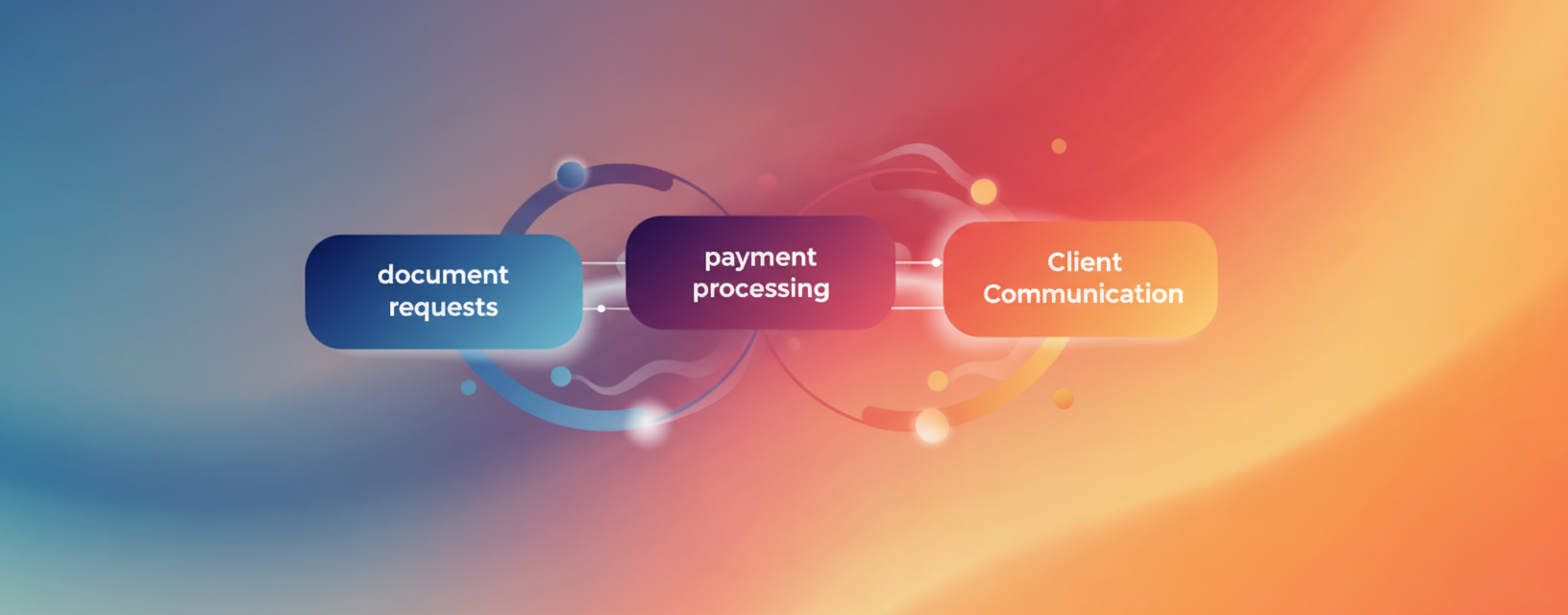
AI follow-up automation means AI agents embedded directly inside case workflows, taking action without anyone prompting them. They send document request reminders, flag incomplete submissions, push payment reminders, and update clients on case status across every active matter at once.
The distinction matters most at volume. A firm processing 50+ cases per month can't rely on a paralegal manually tracking who still owes documents or which client hasn't responded in five days. The work compounds fast. True automation handles that background layer so your team focuses on cases that actually need human judgment.
What separates real follow-up automation from basic tools is where the AI lives:
- A bolt-on chatbot or scheduled email sequence still requires someone to configure, monitor, and adjust it manually, which defeats the purpose at high case volume.
- AI agents embedded inside the workflow itself run when triggers are met, respond to client behavior, and escalate exceptions without anyone having to remember to check.
High-volume law firms need the latter.
How We Ranked AI Follow-Up Automation Solutions
Not every follow-up automation tool deserves equal consideration for high-volume firms. We tested each option against criteria that reflect real-world demands, not feature checklists.
Here's what we looked at:
- Autonomous vs. manual triggering: Does the AI act on its own when conditions are met, or does someone still have to initiate it each time?
- Workflow integration depth: Are follow-ups embedded inside end-to-end case workflows, or are they a separate communications layer bolted on afterward?
- Document collection tracking: Can the system automatically remind clients about missing documents, flag incomplete submissions, and surface which cases need attention?
- Payment reminder handling: Are billing reminders tied directly to the case workflow, or do they require a separate tool to manage?
- Client portal communication: Does the system support two-way client communication and case updates directly?
Each criterion reflects where high-volume firms actually break down. A tool that scores well on one but poorly on the others will still create gaps your team has to fill manually. We based all evaluations on publicly available product information.
Best Overall AI Follow-Up Automation: Glade AI
Glade AI is the only option we've seen where follow-up automation built into case workflows. AI agents run document request reminders, payment nudges, and client status updates automatically when workflow conditions are met. No one has to remember to send anything.
Here's what separates this from generic automation tools: the logic isn't time-based. Follow-ups fire when something in the case actually changes, which means clients hear from the firm at exactly the right moment.
What Glade AI Offers
- Autonomous AI agents that trigger follow-ups based on workflow status changes, not manual scheduling
- Building block architecture connecting document requests, payment reminders, and client communications in one sequence
- Native payments via Stripe and Confido, with automated payment plan reminders built directly into the case workflow
- Full client portal for document submission, payment, and real-time case status updates
The bankruptcy-specific depth is worth calling out. Glade's AI agents understand Chapter 7 and Chapter 13 progression (credit report pulls, petition prep, means test data) so follow-up sequences are tied to where a case actually stands, instead of days elapsed since last contact.
For firms running 50+ cases monthly, that specificity is what keeps administrative work from piling up.
Lawmatics
Lawmatics is a legal CRM built around marketing automation and lead nurturing. If your primary goal is converting prospects before they sign, it does that reasonably well.
Here is what it offers across its core feature set:
- QualifyAI for lead scoring and automated pre-client follow-up sequences, which works well for firms with a structured sales process
- Email drip campaigns and marketing automation aimed at prospective clients still in the decision stage
- Client intake forms and basic contact management for early-funnel organization
- Limited matter tracking with minimal post-engagement workflow capabilities once a client is active
The gap shows up fast once a client signs. Lawmatics is built for the front door, not the rest of the house. After the retainer is executed, its automation largely stops, leaving document collection reminders, payment follow-ups, and ongoing case communications to either a separate system or someone on your staff.
For high-volume firms, that handoff point breaks down. Chasing documents and sending payment reminders across 50+ active cases does not disappear just because intake went smoothly. Lawmatics covers roughly 15% of the follow-up lifecycle, the pre-signing window, while Glade AI covers the full arc from first contact through case completion.
Intaker
Intaker is a lead capture chatbot built for the moment a prospective client lands on your website and needs to reach someone fast.
There are a few things it does well within that scope:
- AI chatbot for initial lead qualification and after-hours engagement
- Automated intake form collection and lead capture
- Basic lead tracking and notification systems
Good for firms that want an affordable way to stop missing inquiries outside business hours. Within that narrow window, it works fine.
The problem is what comes next. Intaker covers roughly the first 5% of the client lifecycle, and after that initial capture, follow-up automation stops entirely. Someone on your team has to manually re-enter the lead data into your case management system, then handle every subsequent touchpoint from scratch.
For high-volume firms, that's the exact bottleneck you're trying to avoid.
Filevine
Filevine is an AI-powered case management system with roots in personal injury law and a growing footprint in immigration.
Here is what the tool offers for firms considering it as a follow-up automation option:
- Customizable case management workflows, though configuration is extensive and typically takes months to complete properly
- ImmigrationAI and contract review tools built for specific practice areas
- Client portal built for personal injury case types
- Integration marketplace for connecting third-party applications
It works well for large personal injury firms with a dedicated implementation team and the runway to configure everything from scratch.
The limitation for bankruptcy practices is real. Filevine's AI capabilities center on immigration and contract review, not petition analysis, means test calculations, or debtor communication sequences. Getting Chapter 7 or Chapter 13 follow-up logic to work requires building it manually, which puts the configuration burden squarely on your staff.
Clio
Clio is the most widely recognized name in practice management, and for good reason. It covers the basics across virtually any practice area without demanding much from your team to get started.
What Clio Offers
- Practice management covering billing, calendaring, and time tracking
- Clio Duo, a generalist AI assistant for legal research and document drafting
- Clio Connect client portal with basic communication features
- Integration marketplace with 250+ third-party applications
Clio Duo is where the follow-up automation gap becomes clear. It is built for general legal tasks, not practice-specific sequences. It won't distinguish between a Chapter 7 asset disclosure follow-up and a Chapter 13 plan confirmation reminder. Credit report pulls, means test data, and debtor-specific document requests all require manual configuration on top of an already generalist system.
Clio manages any firm adequately. It optimizes for none.
Feature Comparison Table of AI Follow-Up Automation Solutions
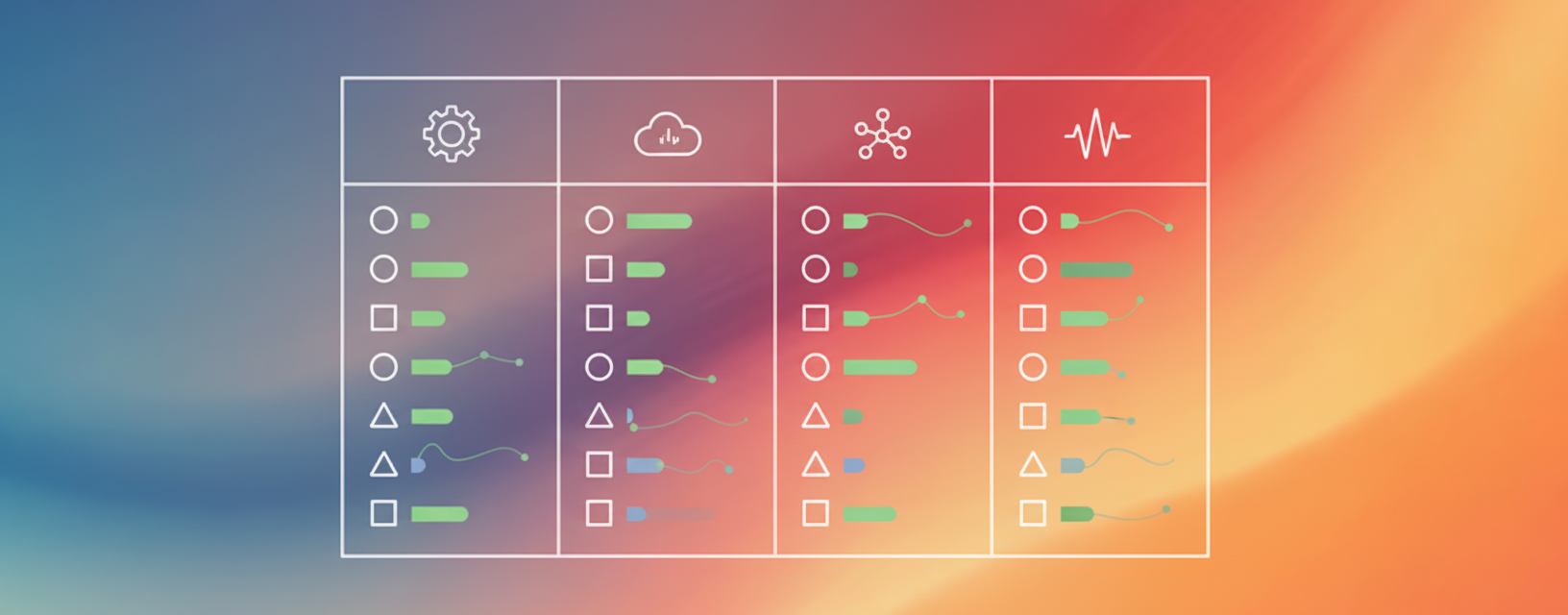
The table below maps each tool against the capabilities that matter most for high-volume follow-up automation. Scoring reflects publicly available product information.
Feature | Glade AI | Lawmatics | Intaker | Filevine | Clio |
|---|---|---|---|---|---|
Autonomous AI follow-up agents | Yes | No | No | No | No |
Post-engagement workflow automation | Yes | No | No | Yes | Yes |
Bankruptcy-specific follow-up sequences | Yes | No | No | No | No |
Automated document request tracking | Yes | No | No | Yes | Yes |
Native payment reminder automation | Yes | No | No | No | No |
Client portal with two-way communication | Yes | No | No | Yes | Yes |
Credit report pull automation | Yes | No | No | No | No |
Practice area-specific AI models | Yes | No | No | Yes | No |
The pattern here is worth noting. Intaker and Lawmatics drop off entirely once a client is signed, covering intake well but nothing after. Filevine and Clio handle general case workflows and document tracking, but neither offers autonomous AI agents or practice area-native logic. Glade AI is the only option with a clean yes across every row.
Why Glade AI Is the Best AI Follow-Up Automation Solution for High-Volume Law Firms
The numbers tell a clear story. Firms using AI report meaningful time savings on administrative tasks, and small firms spend over 40% of time on non-billable work. At volume, that gap compounds weekly.
No other tool in this comparison runs autonomous follow-up AI agents tied to bankruptcy-specific workflow logic. Lawmatics stops at intake. Intaker stops at lead capture. Filevine and Clio require manual configuration to get close.
Glade AI handles the full arc, from first contact through case completion, with AI agents that act when workflow conditions are met, not when someone on your staff remembers to check.
Final Thoughts on Client Follow-Up Automation Built for Bankruptcy Firms
The difference between tools that help and tools that actually take work off your plate comes down to autonomy. Legal follow-up automation that's embedded in case workflows handles document requests, payment reminders, and status updates without anyone initiating each action manually. At 50+ cases a month, that distinction is what keeps your team focused on the cases that need judgment instead of chasing paperwork. Book a demo to see how AI agents run those sequences across every active matter at once.
FAQ
How do I choose the right AI follow-up automation tool for my firm?
Start by identifying where your bottleneck actually sits. If you're losing leads after hours, a basic intake chatbot may be enough. If paralegals are drowning in document reminders and payment follow-ups across 50+ active cases, you need AI agents embedded in the full workflow, beyond the front door.
Which AI follow-up solution works best for high-volume bankruptcy practices?
Glade AI is the only option with autonomous follow-up agents tied directly to Chapter 7 and Chapter 13 workflow logic. Lawmatics and Intaker stop at intake, while Filevine and Clio require manual configuration to handle bankruptcy-specific sequences like credit report pulls and means test reminders.
Can follow-up automation actually reduce time spent on administrative work?
Yes, but only if the automation runs across the full case lifecycle. Firms using AI for follow-ups report meaningful time savings on repetitive tasks, but tools that only cover intake or require manual triggering won't free up your team the way autonomous workflow agents will.
What's the difference between scheduled reminders and AI follow-up agents?
Scheduled reminders fire based on time elapsed since last contact. AI follow-up agents respond to what actually happens in the case (a missing document, a payment plan lapse, a status change) and act when workflow conditions are met, not when someone remembers to check.
Do I need separate tools for document tracking and payment reminders?
Not if your follow-up automation includes native payment processing and document request tracking inside the same workflow. Most firms run 5-7 disconnected tools because their case management system doesn't handle both. The gap creates the manual work you're trying to avoid.